Nature · Construction · Urban
Time-lapses
Time-lapse is the camera's gift — revealing long term processes in a short film. Construction projects spanning months. Clouds rolling over mountains. Day turning into night. Flowers blooming. A city breathing through a day. We capture and assemble with the patience the subject requires.
Formats
Short-form
Minutes-to-hours: weather, traffic, crowds, golden hours.
Long-form
Days-to-months: construction documentation, growth, decay, seasons.
Hyperlapse
Camera-in-motion across a path — the lens travels while time accelerates.
Day-to-night
Holy-grail transitions where exposure interpolates with the light.
Use cases
Construction
Multi-month builds documented from breaking ground to final reveal.
Nature
Clouds, tides, foliage, stars, weather fronts — the planet on its own clock.
Events
Setups, breakdowns, crowd flow — the choreography behind the scenes.
Urban
Cities breathing through a day. Markets opening, streets emptying.
See the difference
The megapixel myth
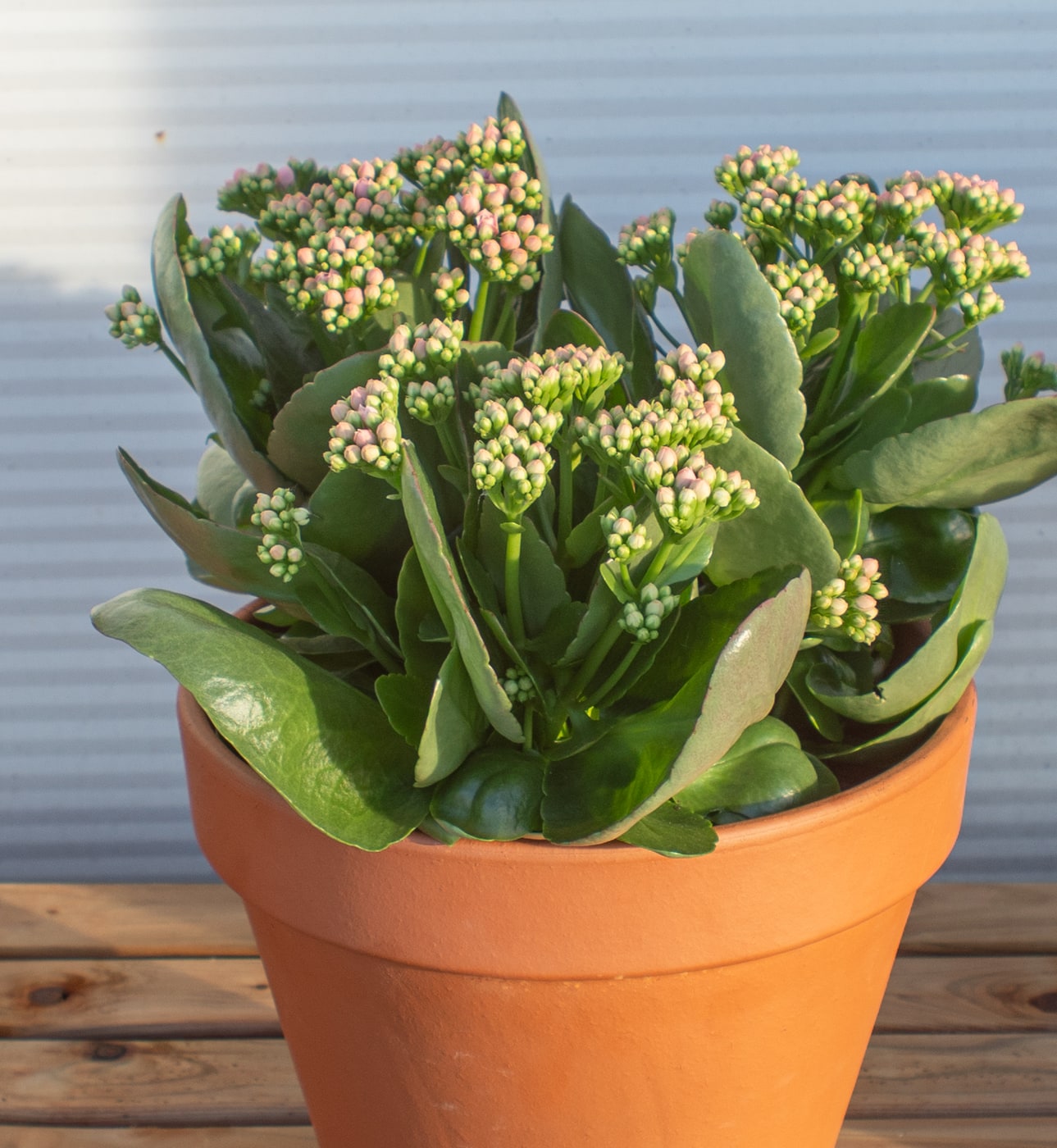
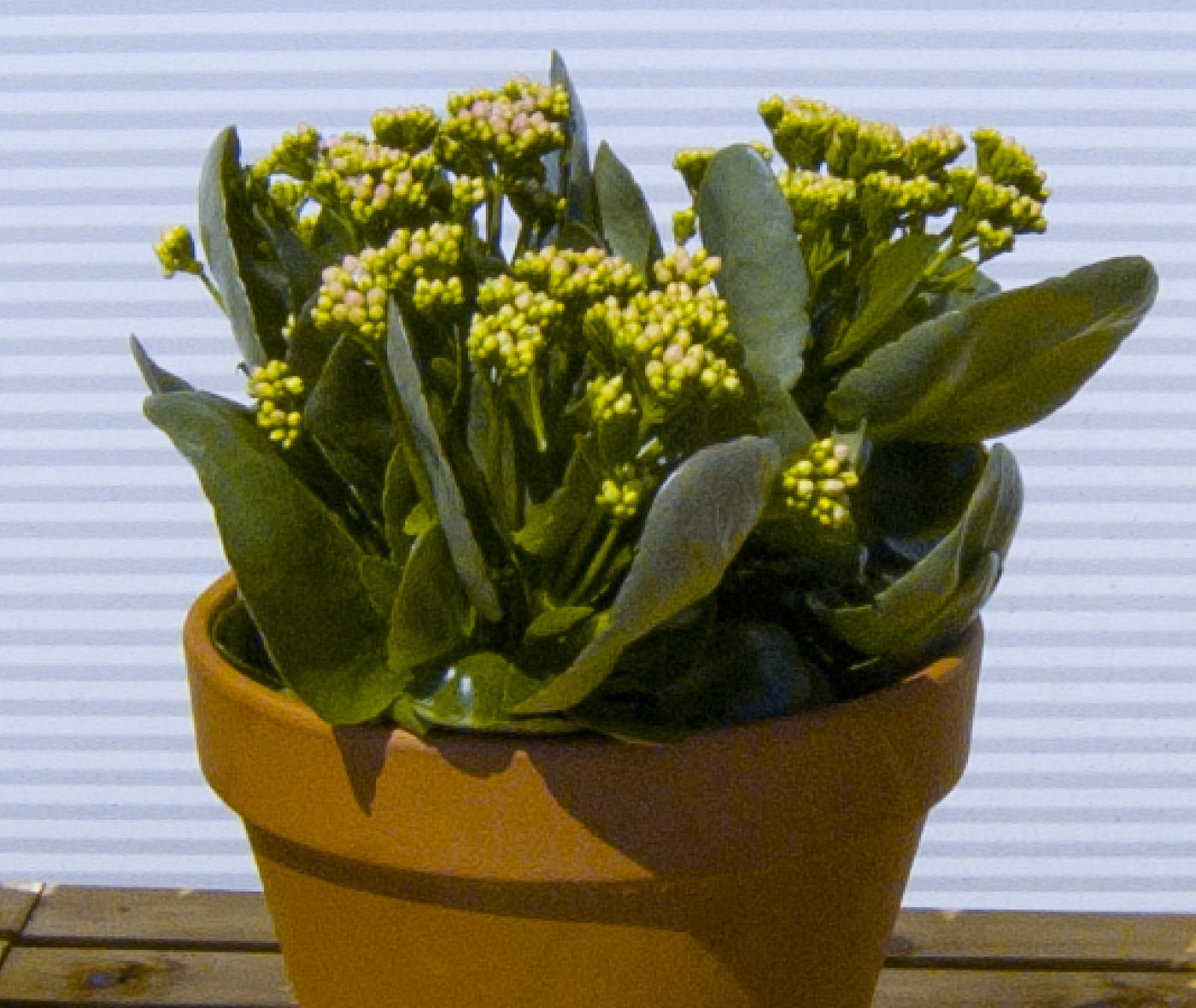
Red = ½-inch sensor · 6.4 × 4.8 mm
~30×
more light and detail captured per pixel
Forget the number on the box. Higher megapixels count only marginally, sensor size being the main determinant of final quality. A 12 megapixel full frame camera beats a 100 megapixel phone sensor any time, these are usually half an inch or less. The red square is the sensor inside most time-lapse cameras, drawn to true scale; the full frame around it drinks in roughly 30× more light. Match the two megapixel for megapixel and the large sensor still wins, because every pixel gathers far more light: shadows that stay open, skies that hold their colour, nights without the crawl of noise, tones you remember rather than measure. Sensor size is the bedrock everything else is built on — and the instant impression is the difference between a clip you scroll past and one you can't look away from. Especially after thousands of frames, hour after hour, day to night.
Why full-frame
30–35× larger than typical time-lapse cameras
Full-frame sensor
Most long-term time-lapse cameras use a tiny ~0.5-inch sensor. We shoot full-frame — a vastly larger sensor that changes everything downstream.
- More detail and sharpness
- Wider dynamic range — sun and shadow in one frame
- Natural, accurate colour (no yellow cast)
- Far less noise, even in low light
- Detail that holds when cropped or zoomed
Engineering over convenience
Built for the long haul
Off-the-shelf time-lapse kits cut costs on sensor and lens for plug-and-play ease. A full-frame solution takes more effort to power, weatherproof and run for months — exactly what we deliver, including moving (motorised) time-lapse on select rigs.
- Solid full-frame rigs for most situations
- Moving / motorised time-lapse available
- Long-term capture without the quality compromise
Process
01
Site & light planning
Sun path, weather windows, vantage points, and shot duration.
02
Camera install
Locked-camera rigs with power, weatherproofing and remote monitoring.
03
Capture
Interval shooting against the timeline — automated and supervised.
04
Post & score
Colour-graded sequence with music-driven pacing.
In short
“Any length, any light — rendered in the highest possible detail, day into night.”
Commission
A subject worth the wait?
From a single sunset to a year-long build — we'll scope the right interval, the right vantage, and the right finish.
Start a conversation →